
Premium, advanced, medical-grade: what does the label rest on?
Harlem readers meet these words on tattoo removal, microneedling and med spa offers.
Each claim here is tied to an independent standard, and a claim no source supports is treated as copy.
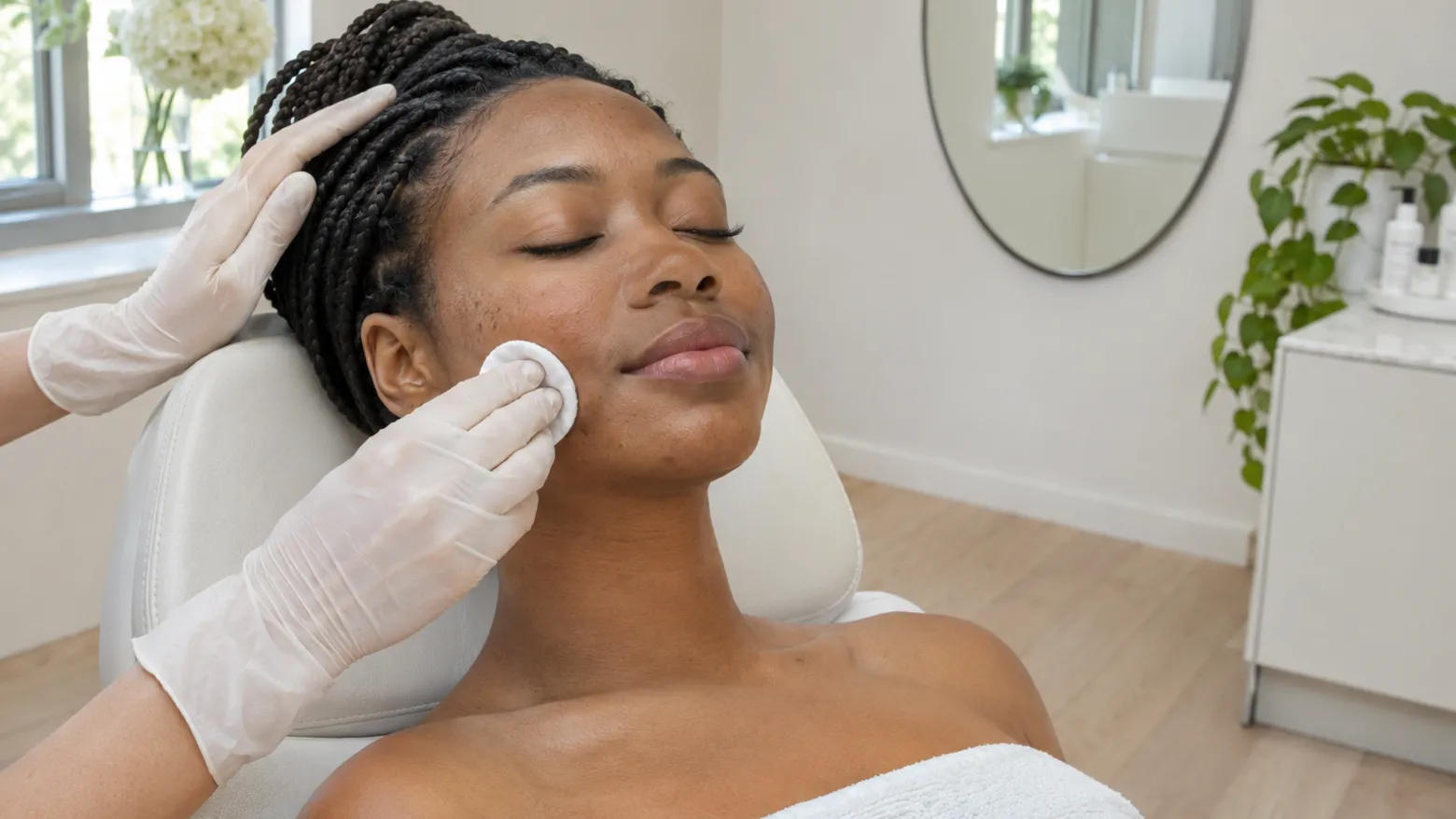
The labels are familiar: premium, advanced, medical-grade. Each one asks you to accept a claim before anything has been shown to support it, and the same words can be attached to tattoo removal, microneedling and med spa offers alike.
The useful question is what a label rests on. Sometimes it rests on a published standard. Sometimes it rests on nothing but the wording.
Where the labels pile up
This site covers three topics where Harlem readers meet these labels.
- Laser tattoo removal. Promises about colors, visit counts and complete removal all arrive as marketing before they arrive as evidence.
- Microneedling and RF microneedling. Device names and skin-quality claims are easy to print and hard to check.
- Choosing a med spa. Words like "medical" and "supervised" describe a setting, and the setting is the thing to verify.
What replaces the marketing copy
Claims about treatments are tied to independent standards, not marketing copy. For med spas, that starts with what medical institutions and professional bodies publish. Tufts Medicine asks whether medical spas are a safe choice for cosmetic procedures, and the American Society of Plastic Surgeons lists what to look for in a med spa before a nonsurgical procedure. The same society also publishes a guide on how to choose the right medical spa, and Henry Ford Health runs a LiveWell blog post on medispas.
A claim that none of these sources supports is treated as copy, not as fact.
Harlem Aesthetics Answers is written for readers across Harlem, Manhattan, by writers who prefer evidence to labels.
Take the claim you doubt to its topic
Readers who want to hold one clinic's own wording up against those standards can read how Dr. Lanna Aesthetics describes its Manhattan location.
Pick the topic that holds the claim you doubt most and start there. The neighborhood pages collect the questions readers in each part of Harlem bring to these treatments.